

I eat a lot of pickles. Along with olives, they are my snack food. Some people eat potato chips and popcorn, but I eat pickled things straight out of the fridge. I can't think of anything tastier when I'm hungry at odd hours. Unfortunately, this practice can be very expensive. But since I couldn't make them at home I felt okay with the monetary sacrifice.
Not quite. Unlike olives, pickles can be made here in the Midwest. And when I found this recipe in Charcuterie I decided to make my own dill pickles. Unfortunately it was the middle of February when I had this urge and Michael Ruhlman told me no:
"The quality of the vegetable is especially important here. We recommend that you only pickle little cucumbers in season..."
So I waited. I waited so long that my passion dimmed and was then forgotten. I nearly missed the season. But just a month ago I came across a huge stack of pickling cucumbers at the Green City Market and remembered my calling. So I bought a big bag of little cucumbers, a bunch of dill, some garlic, and figured I'd be ready to go.
That's until I opened up Charcuterie and came across an endless list of ingredients - which didn't include garlic for some crazy reason - that would take nearly 3 weeks. Really? It was my first time pickling anything for a period of time and I was a little overcome. But Ruhlman had never steered me wrong before, so I went through with it. But I wasn't happy. I marked the date on my calander and tried to forget about them, once again.
But all I did was worry. Why was there no garlic in the dill pickles? Every other jar of dill pickles I had bought contained garlic. And why did the pickling spice smell so sweet? Dill pickles weren't sweet. I worried that Ruhlman's recipe was too refined. I wanted simple dill pickles. I'd have to look elsewhere.
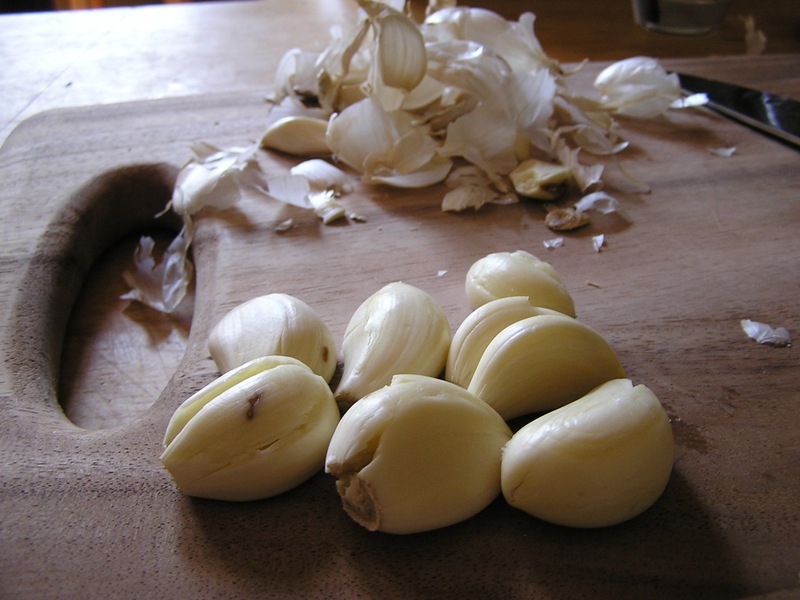
I pulled out Arthur Schwartz's Jewish Home Cooking and found Dill Pickles that looked much closer to what I wanted. Indeed, there was the garlic. But the biggest difference was instead of stuffing the jars in the back of the fridge and trying to forget about them, he said to loosely cover them and let them sit in a cool room for three days. Three days! That's more like it.
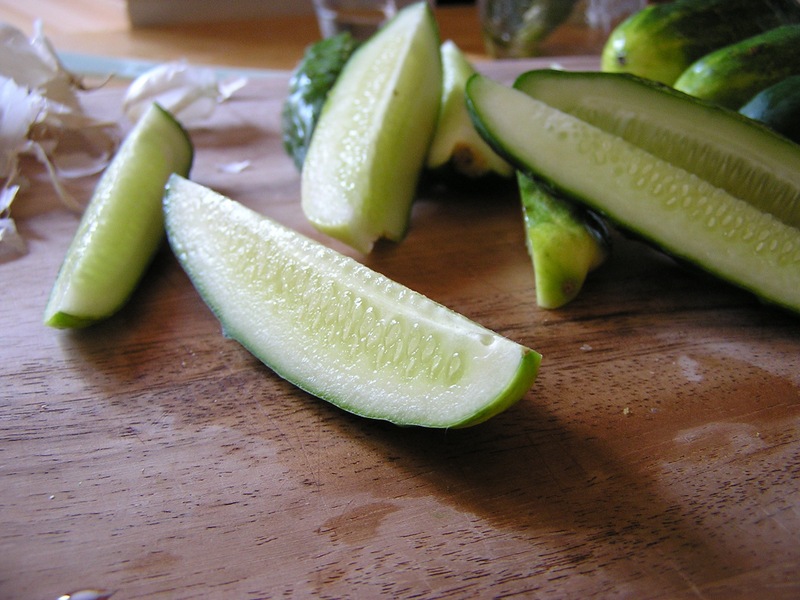
I bought more cucumbers. He also wrote that if I cut the pickles into forths the pickles could be ready in a day. Well, all right. I had one jar with whole pickles and one with the quartered cucumbers and placed the loosely covered jars in my cool spare bedroom and let them be. Cool is a relative word here, especially since Chicago was mired in 90 degree heat that week. To bring the temperature down, I placed a fan by the pickles and made sure no sun hit them. Hopefully that would work.
I woke the next day to an apartment bathed in pickle smell. This is all especially bad considering: A) Abby hates pickles and pickle smell AND B) Blake was arriving later that day to sleep in the spare bedroom. I was being mean. So I screwed up the jars and set them in the fridge. The refrigerator method may take longer, but it keeps the apartment from smelling like a pickling warehouse.
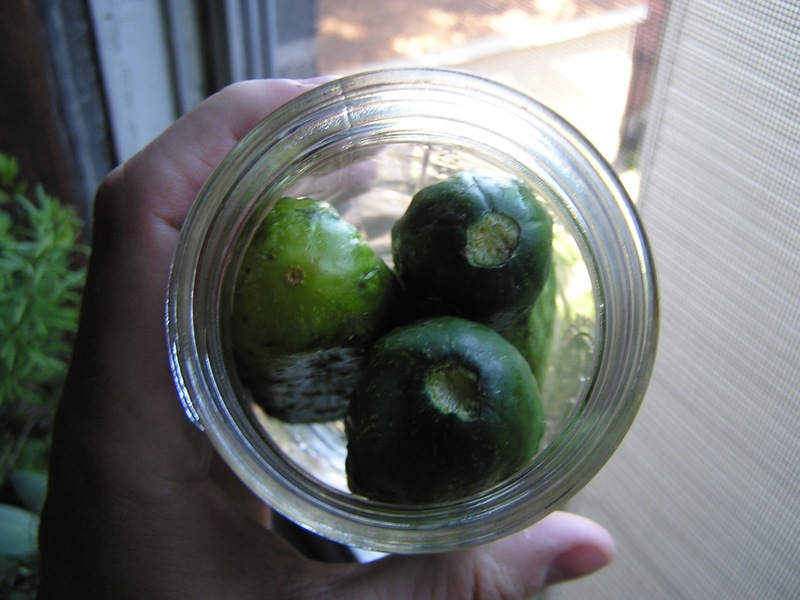
Again, I waited. Three weeks went by. I had basically given up on them. Unlike cured meats, I didn't have much giddy expectation. These pickles were an enormous pain, and I was really only going to get six pickles. I just couldn't foresee doing this that often. The quartered pickles I had made were good, but didn't have the wonderful fizzy characteristic that makes pickles so wonderful.
So I was astonished that the first thing that I noticed from the Ruhlman pickles was the fizzy nature of the pickle liquid. And when I pried a pickle out and ate it, it was perfectly crisp and acidic. A much more flavored pickle for sure, because of the pickling space, but a dill pickle nonetheless. Though I doubted it many times, the Ruhlman recipe worked.
Next time I'm going to get a bigger jar to make more of them. Ruhlman says they keep well in the fridge for quite a while. I just had to drain the liquid into a pot, bring it to a boil, let it cool, and then pour it back in the jar. Then it would last for ages.
Though I hated on the refrigerator method, it's actually the most practical way of making pickles at home. And while it takes much longer, the results are flawless.
Pickling Spice
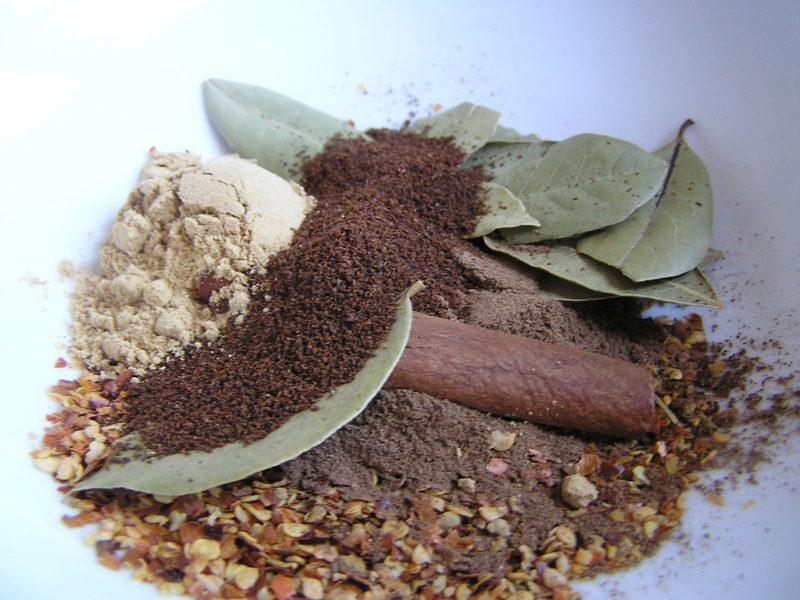
- 1 tablespoon black peppercorns
- 1 tablespoon mustard seeds
- 1 tablespoon coriander seeds
- 1 tablespoon red pepper flakes
- 1 tablespoon allspice berries
- 1/2 tablespoon ground mace
- 1 small cinnamon stick, broken into pieces
- 1 tablespoon whole clove
- 1/2 tablespoon ground ginger
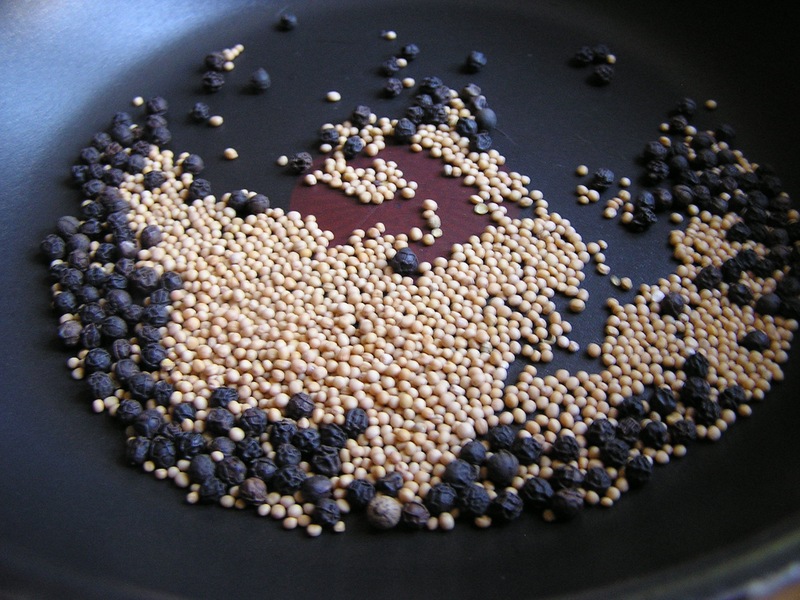
1. Toast the peppercorns, mustard seeds, and coriander seeds in a small skillet over medium heat. About a minute or two. Crack the seeds with a knife.
2. Combine everything in a bowl and mix well.
Dill Pickles
- 2 1/2 tablespoons kosher salt
- 1/2 teaspoon dill seeds
- 1/4 cup white wine vinegar
- 1/2 teaspoon black peppercorns
- 1/2 tablespoon pickling spice
- 2 1/2 cups water
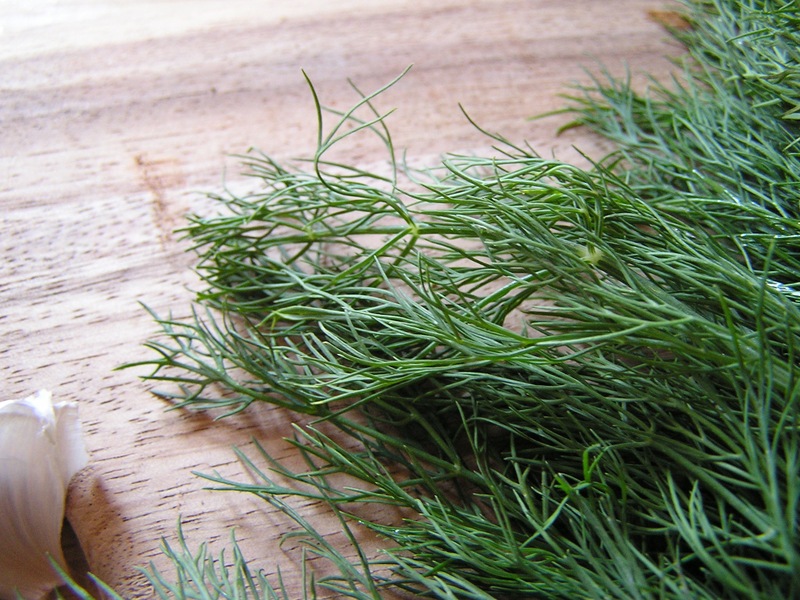
- 1 bunch dill
- 5 pickling cucumbers, washed
Combine the salt, dill seeds, white wine vinegar, black peppercorns, pickling spice, and water in a large pot. Bring to a boil and cook for 3 minutes. Turn off the heat and let the brine cool to room temperature.
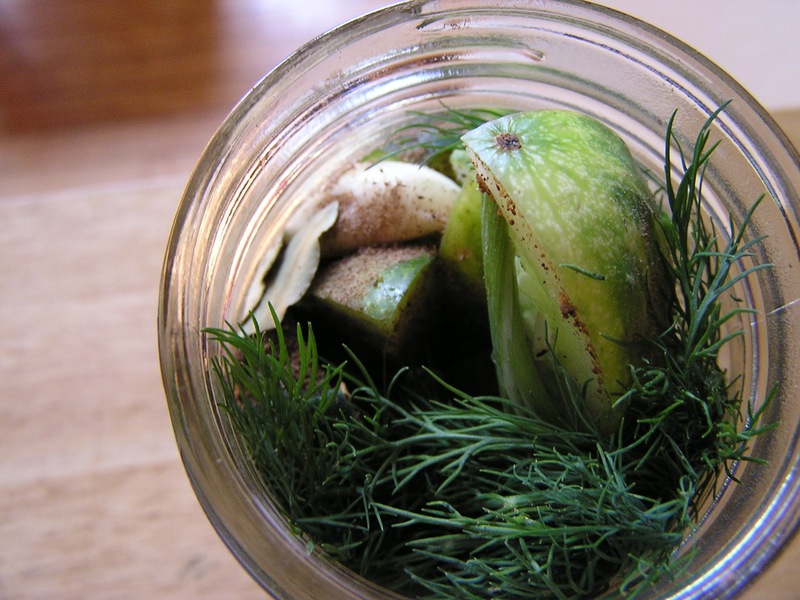
Clean and wash some Ball jars. Stuff them with as many pickles as can fit (about 2 to 3). In any open space stuff in some dill.
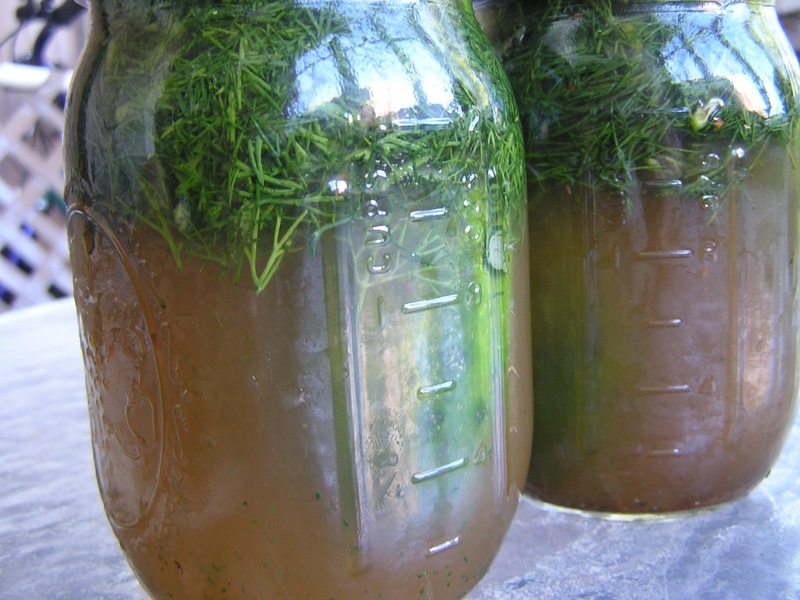
Pour the brine into the jars, secur them tightly and let them sit in the fridge for three weeks.


{ 14 comments… read them below or add one }
Really good stuff to know. I actually made some dill pickles last year with regular cucumbers and guess what? They turned out terrible
Next time I'll be sure to do it this way!
Cheers!
Brian
I LOVE dill, so this would be a great way to use them. It's great how you went to the Jewish Home Cooking book – of course, they would know how to make the best dill pickles!!
i enjoy reading your thrifty ways of cooking yummy food
I LOVE dill, so this would be a great way to use them. It's great how you went to the Jewish Home Cooking book – of course, they would know how to make the best dill pickles!!
i enjoy reading your thrifty ways of cooking yummy food
hello there,
nice post as usual.
some other things to try in later batches.
maybe some fresh horseradish in there or some whole dried chile de arbol. adds good kick to the dill and the horseradish helps retain crispiness.
also try barely slicing off the blossom end of the cucumber, just a sliver, as the blossom end releases enzymes that also contribute to mushy pickles.
check out the Schlesinger and Cushner book, "Quick Pickles," and of course the classic Ziedrich book, "Joy of Pickling." I've tried many different pickling techniques and recipes now, but I always come back to the refrigerator dills like you made above (but with horseradish and/or chiles and only whole spices [keeping the pickling liquid clear, not that it affects the flavor of the pickle that much])
How much kosher salt? You just have 2-1/2. Tablespoons or teaspoons?
This looks great, and I'm going to try it! (As soon as I find out how much salt)
susan: ah…tablespoons. Thanks for pointing that out. It's corrected now.
Thanks for the great pickling recipe! I was totally looking for one.
Have you ever tried pickled garlic on its own? It is amazing! It all depends on what it is marinated in, but they can be one of the best hors d'oeuvres or snacks to offer. There is not the overpowering garlic flavor that you might imagine. But, rather, when done well, pickled garlic is crisp, light and refreshing. I have tried it from several locations – but my favorite is from Sahadi's, a Middle-Eastern market on Atlantic Avenue in Brooklyn. If you are ever there, you should check it out!
I just finished a jar of dill pickles from 1994. They were so good! Spicy and garlicky and full of dill flavor. I also just put up 3 qts. and 5 pints of dill pickles again. My recipe is easy and fool-proof. But quarter your pickles – it's difficult getting whole cukes to pickle. Also, if you add a fresh chili, be sure to slit it first.
Here goes:
Fill a hot quart jar with as many cucumbers as possible. Add 1-2 cloves of crushed garlic, 1 T. canning salt, 1/2 c. vinegar, fresh dill (use the flower as it is about to go to seed) and optional dried hot pepper, 1/2 tsp. mustard seed, and whatever else. Fill to the top 1/4" with boiling water and process in a boiling water bath for 10 min. (or more, depending on your altitude).
This recipe can also be used with fresh green beans, asparagus, and carrots. It's so easy!
I've been making a version of this all summer long. Ever since cukes became available at the farmers market. I can get one to three cukes in a jar. They seem better if you leave them whole. They're good in a couple of days and last for three or so weeks. So easy, so fast, so good.
I think what excited me most about this recipe is making it all the way to the end without reading about sterilizing canning jars or immersing the filled jars in boiling water. I can do this! And if a pickle aficionado like you thinks they're good, they must be excellent! Now let me ask you, though. Would you consider putting some slivers of garlic in the Ruhlman recipe or are they really perfect the way they are?
Terry B: I tried one batch with the garlic and couldn't really tell much of a difference. I think there is already so much going on in the Ruhlman recipe that garlic is just overkill…
over at MattBites there is a great recipe for pickled red onions that you can eat the same day. there is a semi-involved process of blanching, but it's not something i forsee you not being up for.
Just a random science fact that might prove helpful in the future. The fan on the jars in the heat actually makes your problem work. We like fans because we produce heat and warm the air around us. If we get continued air flow we are getting new air to heat up. Also continued new air give us more air around us to let our sweat evaporate into. Evaporation required a lot of heat which it takes from our bodies and therefor keeps us cool.
As pickles neither produce heat, not sweat (to my knowledge, I've never made them, you have) neither of these pose issues and you are just introducing new hot air to them with a fan.
Hopes this helps in other cooking adventures.